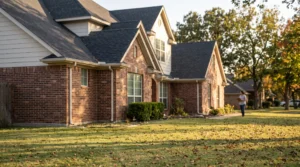
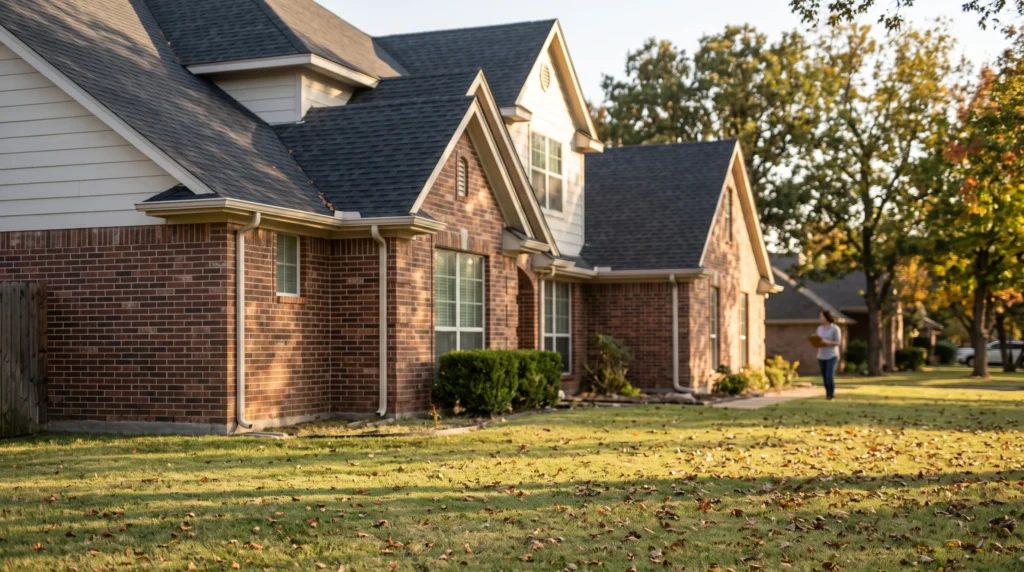
A fall maintenance checklist for a North Texas home starts with a slow walk around the exterior: look at the roof and gutters from the ground, check siding, trim and fences, watch how water drains, and prepare outdoor faucets before the first hard freeze. Note what you see, take photos, and bring anything concerning to a qualified contractor rather than climbing up to fix it yourself.
After a hot Texas summer and before winter weather arrives, fall is a practical time to catch small problems while they are still small. This checklist is for homeowners across Plano, Frisco, Allen, McKinney and Richardson who want a simple way to assess the outside of the house, and to know which items are a homeowner’s observation and which belong to a professional.
Key Takeaways
- Do the walk-around from the ground. Leave roof access to trained professionals.
- Photograph anything that looks wrong, with the date, so you can compare next season and show a contractor.
- Separate what you can observe (stains, gaps, sagging, standing water) from what needs diagnosis (leaks, damaged decking, structural issues).
- Prepare outdoor faucets and irrigation ahead of cold snaps, using official local weather guidance for timing.
- Schedule contractor visits in fall so repairs are not squeezed into a winter rush.
When Should You Do a Fall Exterior Check in North Texas?
There is no single date that fits every year. North Texas weather can swing from warm afternoons to sudden cold fronts, so it is more useful to watch the forecast than the calendar. The National Weather Service Fort Worth office publishes local forecasts and weather safety information for the area, and it is a reasonable place to check before planning outdoor tasks or freeze preparation.
A good rule of thumb is to finish your observation walk-around and any scheduling in early to mid fall, so there is time to arrange repairs before conditions get harder to work in. This post is about assessing and scheduling. It does not cover what to do during a freeze event, which deserves its own plan.
What Can You Check on Your Roof and Gutters From the Ground?
You do not need a ladder to learn a lot. Stand back from the house, ideally with binoculars or a phone camera zoomed in, and look for:
- Shingles that are missing, curling, cracked or visibly out of line.
- Dark streaks, bare patches or granules collecting at downspout exits.
- Flashing around chimneys, vents and wall intersections that looks lifted or gapped.
- Gutters that sag, pull away from the fascia, overflow, or show stains on the wall behind them.
- Debris in gutters visible from the ground, or plants growing in them.
These are observations, not diagnoses. A stain or missing shingle tells you something is worth a closer look, not what the cause or repair is. For anything roof-related, it is safest to have a professional inspect it. Our roofing page explains the roofing services Sonova Construction offers.
What Should You Look For on Siding, Trim and Fences?
Walk the full perimeter and look at each wall in good daylight. Check for cracked or loose siding, gaps at corners and trim, paint that is peeling or bubbling, soft or discolored wood, and caulk that has pulled away. Small openings can let water and pests in, so they are worth noting even if they look minor.
Fences take a beating from heat, wind and moisture. Look for leaning posts, boards that are loose or warped, rot near the ground and gates that no longer latch. If you want more detail on siding cleaning and repainting specifically, we cover it in our guide to pressure washing and repainting siding in North Texas. Fence choices are covered in our post on building a new fence in North Texas.
Do not forget windows and exterior doors. Look for cracked or missing caulk, gaps around frames, damaged screens and weatherstripping that has worn flat. These are small details, but they are where air and moisture often find a way in, and they are easy to spot on a dry fall afternoon.
How Should You Document What You Find?
Bring your phone on the walk-around and photograph each concern from a few feet back and then up close. Date the photos and note which side of the house each one is on. A simple list in your notes app, with a line for each item, is enough.
Documentation helps in three ways. It lets you compare conditions from one season to the next, it gives a contractor something concrete to look at before the visit, and it keeps you from relying on memory when winter arrives and the details have faded. If you ever need to talk to an insurance company about damage, having dated photos of the home’s condition may also be helpful, though what an insurer will accept is up to them.
How Do You Check Drainage Around the House?
The next time it rains, take a look at where the water goes. Water should move away from the foundation, not pool beside it. Signs worth noting include standing water near the house, soil that has washed away from beside the foundation, downspouts that dump right at the wall, and low spots in the yard.
Drainage problems can have several causes, and the right fix depends on the property. If you see repeated pooling, document it and ask a qualified professional to take a look, rather than assuming a quick fix will work.
How Do You Prepare Outdoor Faucets for Freezing Weather?
Texas freezes can arrive suddenly, and exposed outdoor plumbing is a common weak point. In fall, it is sensible to locate every outdoor faucet and hose bib, disconnect and drain hoses, and check whether any faucet drips or looks damaged. Many homeowners also cover exposed faucets or shut off irrigation lines ahead of cold weather. Use the National Weather Service forecast linked above to time these steps.
If a faucet leaks or you are unsure how your plumbing is set up, a licensed plumber is the right person to ask. This post covers fall preparation only; what to do once a freeze is in the forecast is a separate topic.
Fall Exterior Inspection Checklist (Printable)
Print this table, take it on your walk-around, and tick off each line. Note anything in the right-hand column that needs a professional’s opinion.
| Area | What to look for | Done | Needs a pro? |
|---|---|---|---|
| Roof (from the ground) | Missing, curled or cracked shingles; lifted flashing | [ ] | [ ] |
| Gutters and downspouts | Sagging, overflow, stains, debris, water dumping at the wall | [ ] | [ ] |
| Siding and trim | Cracks, gaps, peeling paint, soft or discolored wood, failed caulk | [ ] | [ ] |
| Fences and gates | Leaning posts, loose or rotted boards, gates that do not latch | [ ] | [ ] |
| Windows and doors (exterior) | Gaps, cracked caulk, damaged weatherstripping | [ ] | [ ] |
| Drainage | Pooling near the foundation, eroded soil, low spots | [ ] | [ ] |
| Outdoor faucets and irrigation | Hoses removed, faucets not dripping, lines ready for cold | [ ] | [ ] |
| Photos taken | Dated photos of every concern | [ ] | [ ] |
Set a reminder to repeat the walk-around each spring as well. Comparing fall and spring photos shows how the house handled the season, and it can turn vague worries into specific, dated observations. Over a few years, that record becomes a useful picture of how your home is aging and which areas deserve attention first.
What Should You Leave to a Contractor?
Observing is something any homeowner can do. Diagnosing and repairing is different. Roof work, anything involving structure or water intrusion, and repairs to siding or exterior framing are best handled by trained professionals who can inspect safely and explain the options. If you find several items on your checklist, an exterior professional can help you sort out what is urgent and what can wait. Learn more about the work on our exterior work page.
A practical way to use the checklist is to split your findings into three piles: items to watch, items to schedule and items that look urgent. Watch items might be minor paint wear. Schedule items might be sagging gutters or a leaning fence section. Anything that suggests water getting inside the home is worth raising with a professional promptly.
Frequently Asked Questions
Can I climb on my roof to check it myself?
It is generally safer to inspect from the ground and leave roof access to professionals, since roofs can be steep, slick and hard to assess.
When is the best time to schedule exterior repairs?
Scheduling in fall, before winter conditions set in, gives you more flexibility. Availability and timing still depend on the contractor and the weather.
Ready to Schedule a Fall Exterior Review?
If your walk-around turns up something that needs a closer look, Sonova Construction can help you understand your options. Contact us here or call 972-777-3727 to talk through what you found.