Short answer: The best cold-weather prep for a North Texas home is to do it before the forecast turns. Walk the outside of the house to find the places where cold air and water can get in, protect exposed faucets and pipes using guidance from your water utility or a licensed plumber, and know who you would call if something fails. After a freeze, look for moisture and roof problems early, because small leaks tend to get worse. Sonova Construction handles the building side of that list (exterior work, roofing and restoration). Plumbing and heating and cooling work belong with other qualified trades.
North Texas winters are mixed. Many weeks are mild, and then a hard freeze arrives with little warning. Homes built for hot summers are not always ready for it, and a few dry weeks in November are the easiest time to get ready. This guide covers freeze preparation and what to check afterward. It is a companion to our fall home maintenance checklist, which covers the general fall exterior walk-around. If you have not done that walk yet, start there and come back.
Key Takeaways
- Prepare during mild weather. Supplies, schedules and contractor calendars are tighter once a freeze is in the forecast.
- Focus on exposed spots: outdoor faucets, irrigation lines, garage and attic areas, and gaps around the exterior.
- Use official or licensed-trade guidance for pipes and faucets. Sonova does not offer plumbing or HVAC work.
- After a freeze, check ceilings, walls and the roof for new moisture or damage.
- Document what you find with dated photos before anything is repaired or cleaned up.
- Call a qualified trade for the problem it fits: a plumber for pipes, an HVAC company for heating, a roofer or general contractor for the building envelope.
What Makes a North Texas Home Vulnerable in a Freeze?
Cold weather exposes weak points. In this region the problems often come from parts of the house that rarely see freezing temperatures and were not detailed with that in mind. Common examples:
- Exterior plumbing. Hose bibs, irrigation connections and any pipes in unconditioned spaces are the usual first casualties.
- Gaps and air leaks. Gaps around doors, windows, penetrations and garage doors let cold air into walls and attics.
- Thin or missing insulation. Attics, exterior walls and garages vary a lot from one house to the next, especially in older homes.
- Roof and drainage details. Worn roofing, loose flashing and clogged gutters can let water in, and freezing weather can make a small opening worse.
None of this means your home is in trouble. It means a short, deliberate walk-around is worth the time. For air gaps and framing around the garage in particular, see our post on garage door framing.
How Should You Protect Outdoor Faucets and Pipes?
Start with the official guidance, not guesswork. Ready.gov’s winter weather page tells households to prepare the home against cold with insulation, caulking and weather stripping, and to learn how to keep pipes from freezing (see Ready.gov: Winter Weather). For specific steps that fit your plumbing, your city water utility and a licensed plumber are the right sources.
Some general habits are worth building before the first freeze:
- Know where your main water shutoff is and make sure everyone in the household can find it.
- Disconnect and store garden hoses, and check how your outdoor faucets and irrigation system are set up.
- Ask a licensed plumber how your particular house should be protected, especially if you have pipes in an attic, an exterior wall or an unheated garage.
- Keep the plumber’s number somewhere easy to find. During a hard freeze, trades can be very busy.
That is the extent of what we suggest on the plumbing side. Pipe repair, thawing and replacement are plumbing work, and we do not offer them.
Where Should You Look for Air Gaps and Moisture Entry Points?
Walk the exterior in daylight and look at the parts of the house that meet the weather. A few passes will catch most issues:
- Doors and windows. Look for worn weatherstripping, cracked caulk and visible light around the frame.
- Siding and trim. Look for cracks, loose boards and open joints where water could enter. If trim is split or paint has failed, that is also a good time to read our post on pressure washing and repainting siding.
- Garage. Check door seals, framing and the gaps at the bottom of the door.
- Roof from the ground. Note missing or lifted shingles, damaged flashing and sagging gutters. Stay on the ground, and photograph what you see.
- Attic access. If you can look into the attic safely from the access point, note any damp insulation, stains or daylight where there should be none.
You are looking for things to document, not to diagnose. If something looks wrong, a contractor can tell you what it means. Our exterior work page describes the kinds of exterior repair and improvement we handle.
What Should You Check Before a Freeze Arrives?
Use this table as a pre-freeze pass. Check what you can from the ground and from inside your living spaces, and note anything that needs a trade.
| Area | What to look for | Who to call if there is a problem |
|---|---|---|
| Outdoor faucets and hoses | Hoses still attached, faucets that drip or look damaged | Licensed plumber |
| Irrigation system | Exposed lines or backflow devices | Irrigation or plumbing professional |
| Main water shutoff | Location known, valve easy to reach | Licensed plumber |
| Doors and windows | Gaps, worn weatherstripping, cracked caulk | Contractor or handyman |
| Garage door and framing | Gaps at the sides, top and bottom | Contractor |
| Roof and flashing (from the ground) | Missing or lifted shingles, damaged flashing | Roofer |
| Gutters and downspouts | Debris, sagging, water pooling at the foundation | Contractor |
| Attic | Damp insulation, stains, daylight | Roofer or contractor |
| Heating system | Working before cold arrives | HVAC company |
What Should You Look for After a Freeze?
Once temperatures climb again, do a second walk-through. Freeze damage is not always obvious right away, and water can show up in unexpected places.
- Ceilings and walls. Look for new stains, bubbling paint, soft spots or a musty smell.
- Floors. Check for damp spots, warped flooring or water near exterior walls and plumbing fixtures.
- Roof and gutters. From the ground, look for shingles that have shifted, gutters that have pulled away and areas where water is running where it should not.
- Exterior surfaces. Look for new cracks in siding, trim, caulk or paint.
If you see active water, deal with the source first. For a burst or leaking pipe, that means shutting off the water at the main valve and calling a plumber. Then take photos with the date visible, before cleanup or repairs where it is safe to wait.
When Should You Call a Roofer or Contractor?
Call a roofer or general contractor when the question is about the building itself: missing shingles, flashing that has come loose, a ceiling stain that appears after weather, or siding and trim that no longer seal well. A professional can inspect, explain what they see and describe the repair. Our roofing page covers repairs, replacement and roof evaluations after storm damage or leaks.
Safety comes first. Do not climb onto a cold, wet or icy roof to look. Ground-level photos, a pair of binoculars and a phone call are the safer approach.
What If the Damage Is More Than a Small Repair?
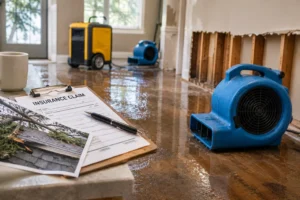
Sometimes cold weather leads to larger problems, such as water damage inside the home or storm damage to the exterior. In that case, the repair work may involve more than one trade and may involve your insurance company. Sonova’s insurance restoration page explains how we help property owners understand the work needed after unexpected damage. Insurance coverage and claim decisions are made by your insurance provider, not by a contractor. If you are filing a claim, contact your insurer promptly and ask about their requirements.
Frequently Asked Questions
Does Sonova Construction do plumbing or heating repair?
No. Sonova focuses on construction work: remodeling, roofing, exterior work, painting, flooring, landscaping and restoration. For frozen pipes or a heating failure, call a licensed plumber or HVAC company.
Should I get on the roof to check for damage after a freeze?
No. Check from the ground and take photos. If you suspect damage, ask a roofer to evaluate it.
When is the best time to prepare?
Before the forecast calls for a freeze. Mild days in late fall are a good time for exterior checks, because you can see clearly and get calls returned.
Ready to Talk Through Your Home’s Winter Prep?
If your walk-around turned up gaps, worn roofing, damaged trim or anything else on the building side, Sonova Construction can help you understand the next step. Contact us here or call 972-777-3727 to talk about your Plano or North Dallas home.